
Sustainable Textile Counselor PilotTraining in Estonia
The Sustainable Textile Counselor pilot training programme at the Estonian Academy of Arts brought together 16 participants from across Estonia, representing diverse backgrounds, including educators, trainers, craftspeople and entrepreneurs. The blended learning programme took place between May and September 2026, combining in-person sessions at EKA with online participation and independent e-learning.
The course offered a rich mix of theoretical knowledge and practical experiences. Alongside lectures and group work, participants engaged with guest experts from fields including marine ecology, sustainable materials, textile innovation and circular business practices. Study visits to the Lasnamäe Circular Economy Centre and the Reet Aus and Stella Soomlais boutiques provided insights into real-world sustainability initiatives, material reuse and responsible fashion.
A key outcome of the programme was the development of individual Living Lab projects, encouraging participants to translate their newly acquired knowledge into practical solutions for real-world sustainability challenges.
In total, 15 participants presented their final projects, exploring innovative ways to promote more sustainable textile use and consumption habits. Several projects focused on educating young people through interactive workshops, exhibitions and creative activities, while others addressed sustainability in business, including textile waste management and practical tools for guiding organisational change.
The programme demonstrated the value of combining interdisciplinary learning, hands-on experimentation and knowledge exchange, equipping a new generation of Sustainable Textile Counselors with the skills and confidence to contribute to a more sustainable textile sector.
The pilot course concluded with a public event at Tallinn Design Festival, introducing the STC programme and its independent learning opportunities to a wider audience.
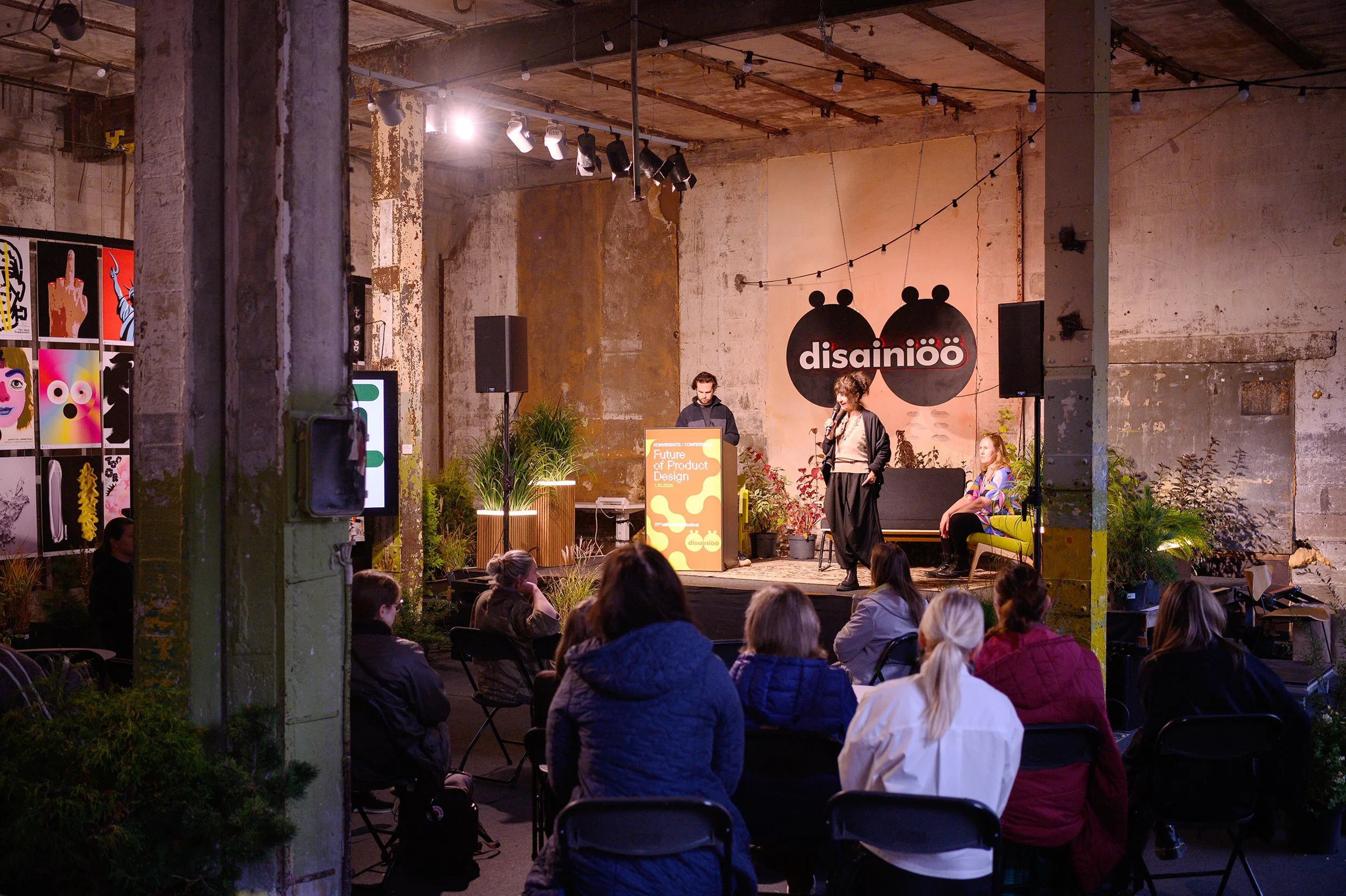
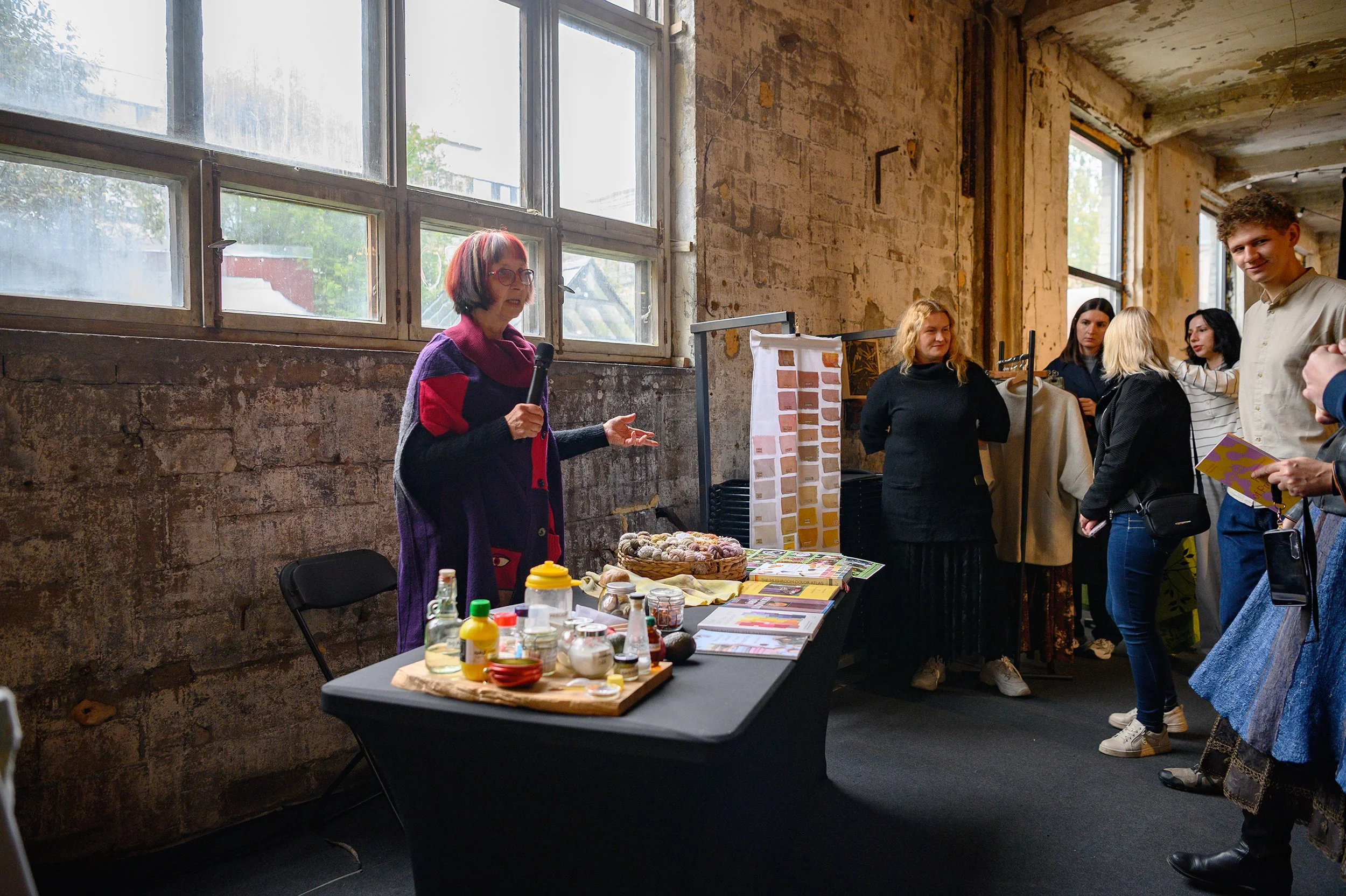
The event celebrated the graduation of Estonia’s first Sustainable Textile Counselors and showcased two final Living Lab projects through interactive demonstrations.
One explored natural fabric dyeing using different species of fungi, while the other introduced participants to the hands-on workshop of Tataki-Zomé, a traditional Japanese technique of transferring plant pigments onto fabric through hammering leaves and flowers.
Beyond the knowledge and skills gained, the training programme fostered a strong sense of community. Learning from one another, sharing experiences and developing Living Lab projects encouraged collaboration and sparked ideas for future initiatives.
The connections will continue beyond the course: participants are planning a follow-up gathering in two months to share their progress, while one graduate is preparing a Living Lab workshop focused on garment care and extending the lifespan of clothing.
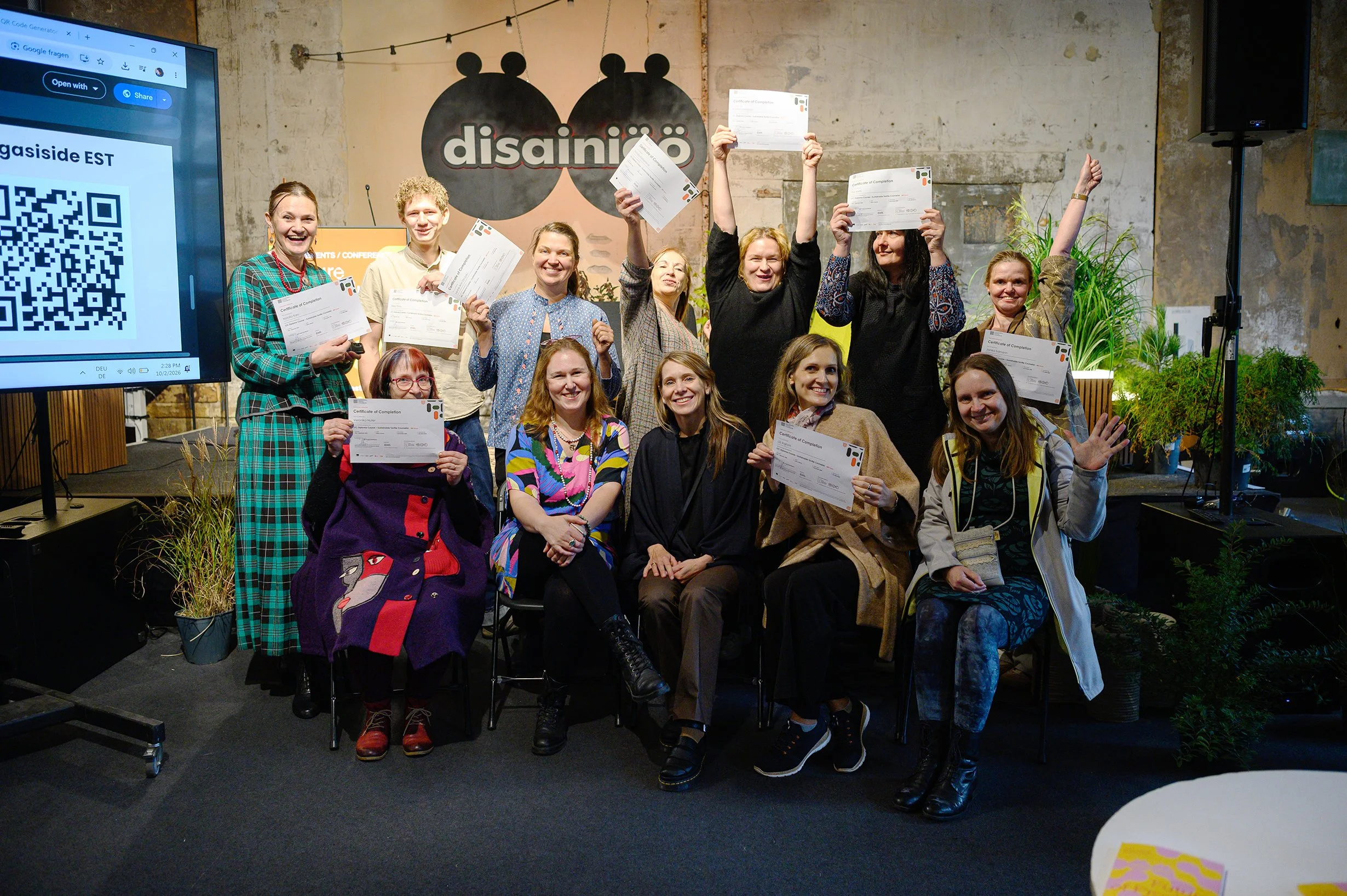
We wish all STC graduates every success in putting their new knowledge and skills into practice and contributing to a more sustainable textile future!
